
Niacinamide Serum: What It Does and How to Add It to Your Routine
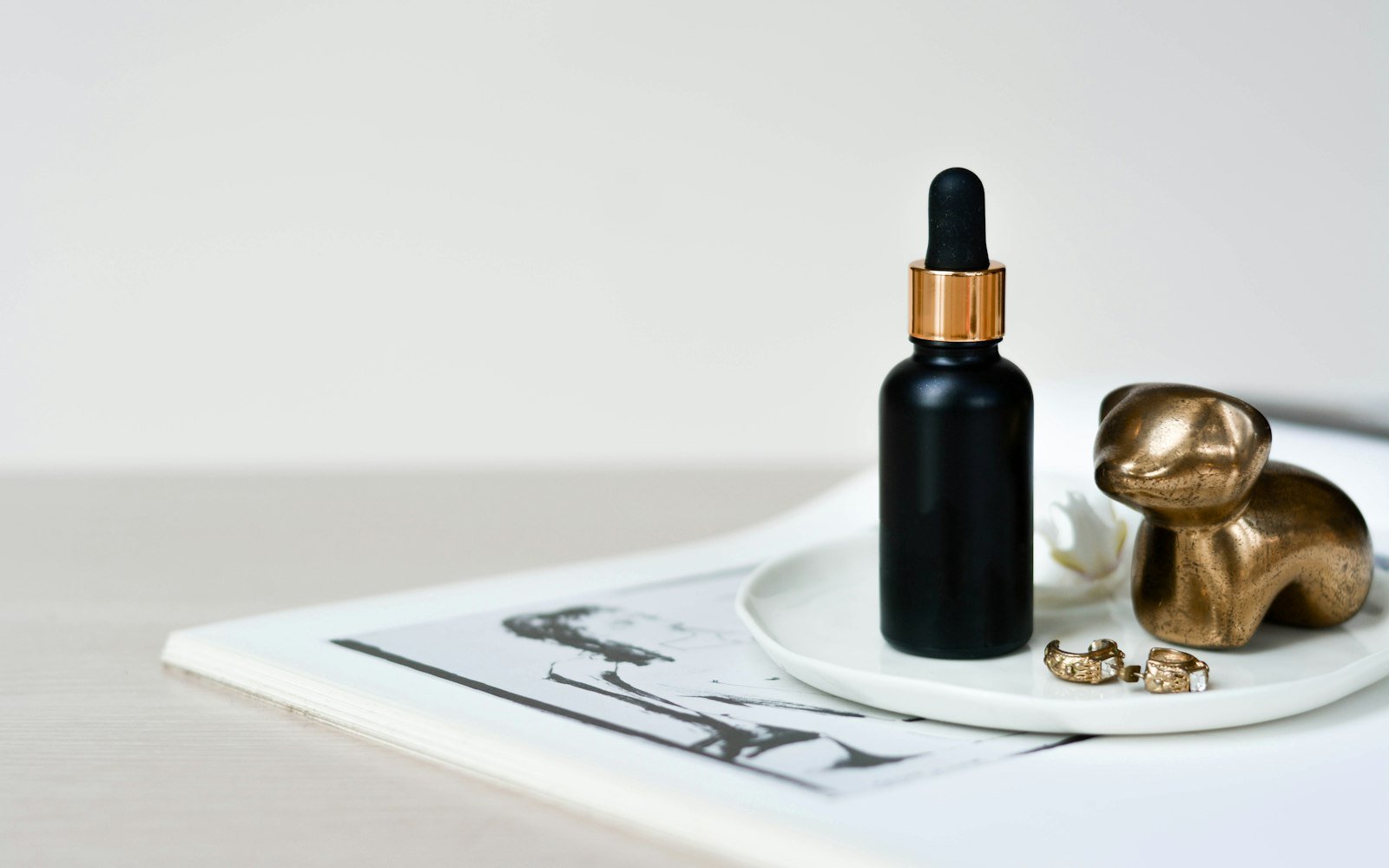
Niacinamide has become one of the best-known skincare ingredients in both India and the US, and for good reason. It suits most skin types, works well with other ingredients and targets common concerns such as oiliness, visible pores and uneven tone.
This guide explains what niacinamide does, how to use it and how to avoid the mistakes that make people give up too soon.
What niacinamide is
Niacinamide is a form of vitamin B3. Applied to the skin, it supports the skin barrier, the outer layer that keeps moisture in and irritants out. A stronger barrier means skin that feels calmer and more resilient.
What it can help with
- Visible oiliness: many people notice their skin looks less shiny over time.
- The look of pores: regular use can make pores appear smaller and skin smoother.
- Uneven tone and marks: it helps fade the look of dark marks left by old breakouts.
- Redness and sensitivity: a stronger barrier often means less reactive skin.
Results build gradually. Give it at least eight weeks of consistent use before judging it.
Choosing a niacinamide serum
Concentrations range from about 2% to 10%. Higher is not always better. A 10% serum with zinc is popular for oily, blemish-prone skin. If your skin is sensitive, start with a lower strength or use it every other day.
How to use it
- Cleanse with a gentle face wash and pat your skin dry.
- Apply a few drops of serum to your face and spread it evenly.
- Let it absorb for a minute.
- Follow with moisturiser.
- In the morning, finish with a broad-spectrum sunscreen.
You can use niacinamide in the morning, the evening or both.
Layering with other ingredients
Niacinamide works well with hyaluronic acid, ceramides, sunscreen and most moisturisers. Older advice warned against mixing it with vitamin C, but modern formulas are generally fine together. If you notice redness or flushing, use vitamin C in the morning and niacinamide in the evening.
With strong exfoliating acids or retinoids, introduce one new product at a time so you can tell how your skin reacts.
Avoiding pilling
Pilling, when products roll into little balls on the skin, is a common complaint. To prevent it:
- Use only a few drops; more is not better.
- Let each layer absorb before applying the next.
- Apply water-based products before thicker creams.
Patch test first
Apply a little behind your ear or on your inner arm for two or three days before using it on your face. Mild tingling can be normal at first, but stop if you notice burning, itching or a rash.
Niacinamide in different climates
In humid Indian summers and the monsoon, niacinamide's oil-balancing effect is especially welcome under a light gel moisturiser. In dry winters, whether in North India or much of the US, pair it with a richer moisturiser so skin does not feel tight.
A simple routine with niacinamide
- Morning: gentle cleanser, niacinamide serum, light moisturiser, sunscreen.
- Evening: gentle cleanser, niacinamide serum, moisturiser.
Simple and consistent always beats a long routine you cannot keep up with.
VelvetComfort exists for these moments — the in-between times when you choose softness on purpose. Each piece in our curation is chosen with one filter: would we gift this to our most beloved friend?
Common questions
Can I use niacinamide every day?+
Yes. Most people use it once or twice a day. If your skin is sensitive, start every other day.
Can niacinamide and vitamin C be used together?+
Generally yes. If you notice redness, use vitamin C in the morning and niacinamide at night.
How long until I see results?+
Give it about eight weeks of regular use to judge the effect on oiliness, pores and marks.
Featured in this story
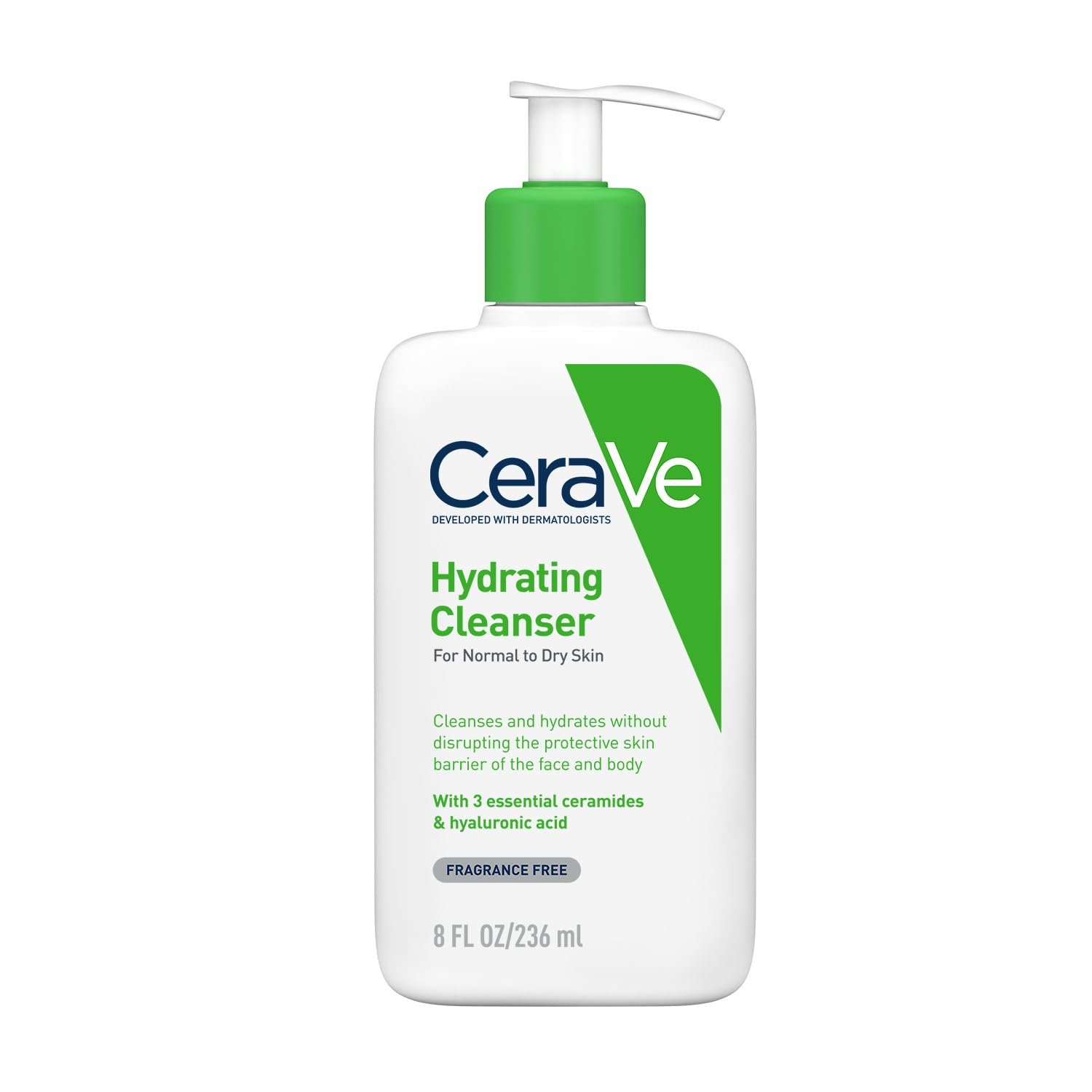
CeraVe Hydrating Cleanser for Normal to Dry Skin (236 ml)
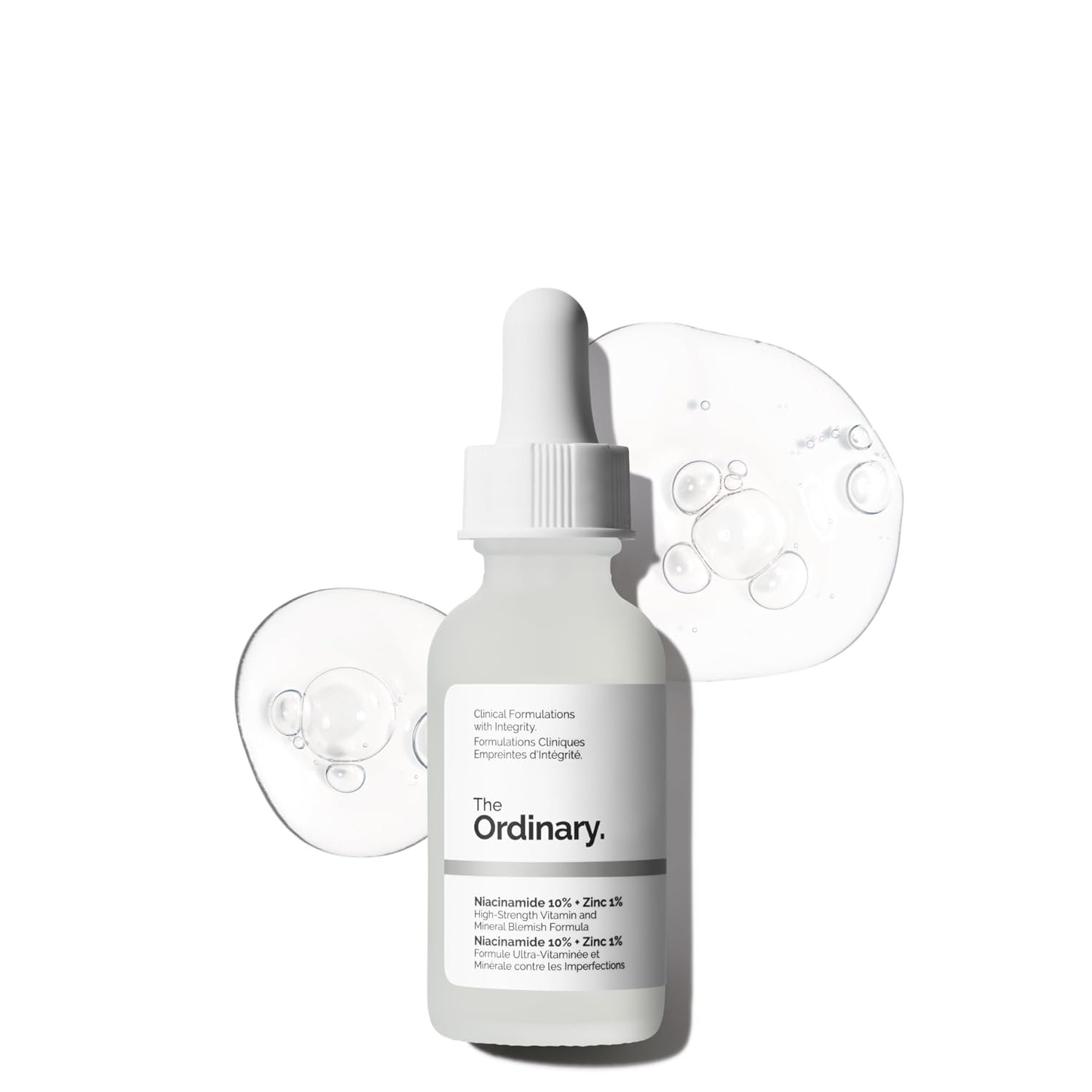
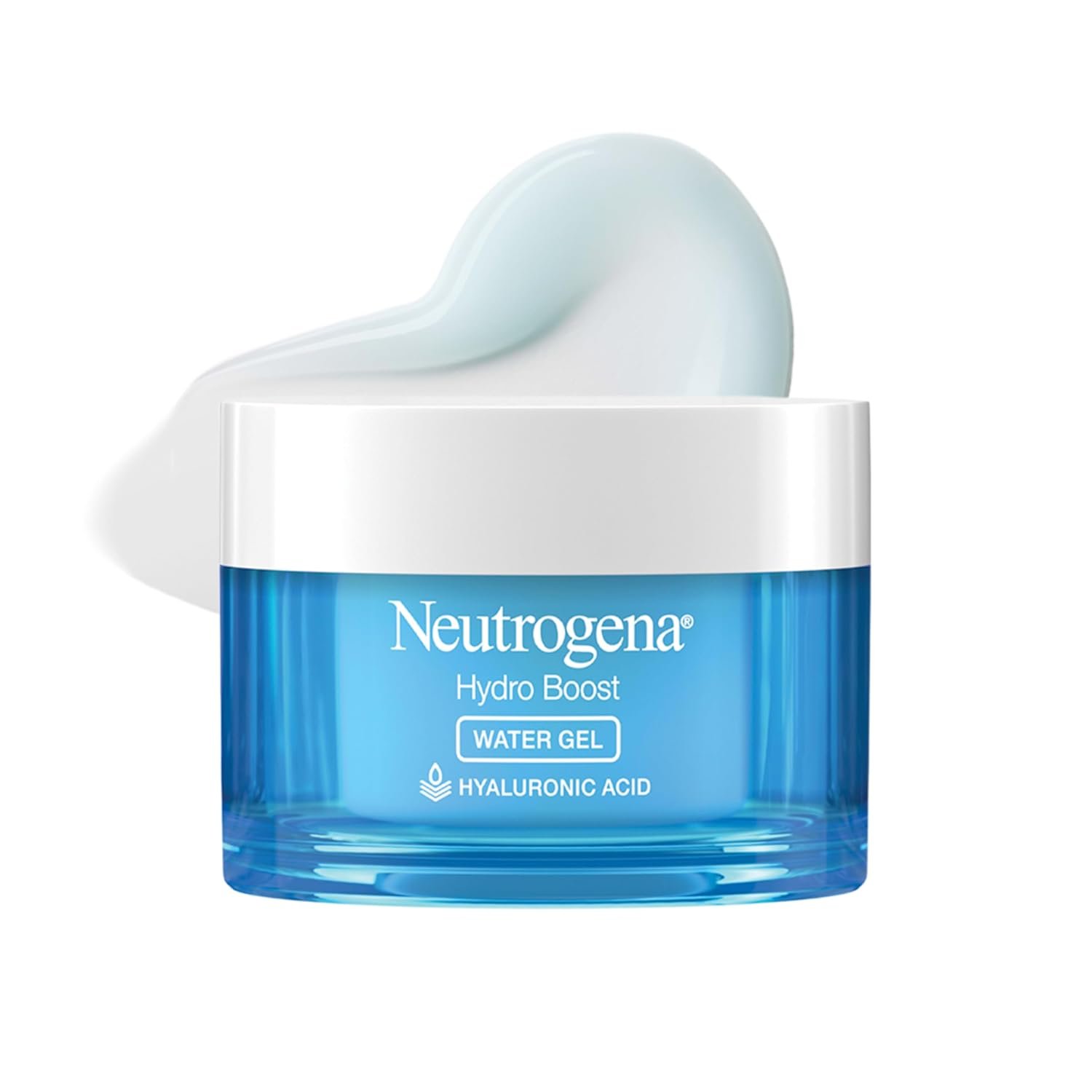
Neutrogena Hydro Boost Water Gel Moisturiser (50 g / 1.7 oz)
Related stories