
A First Period Kit for Teens: What to Pack and How to Talk About It
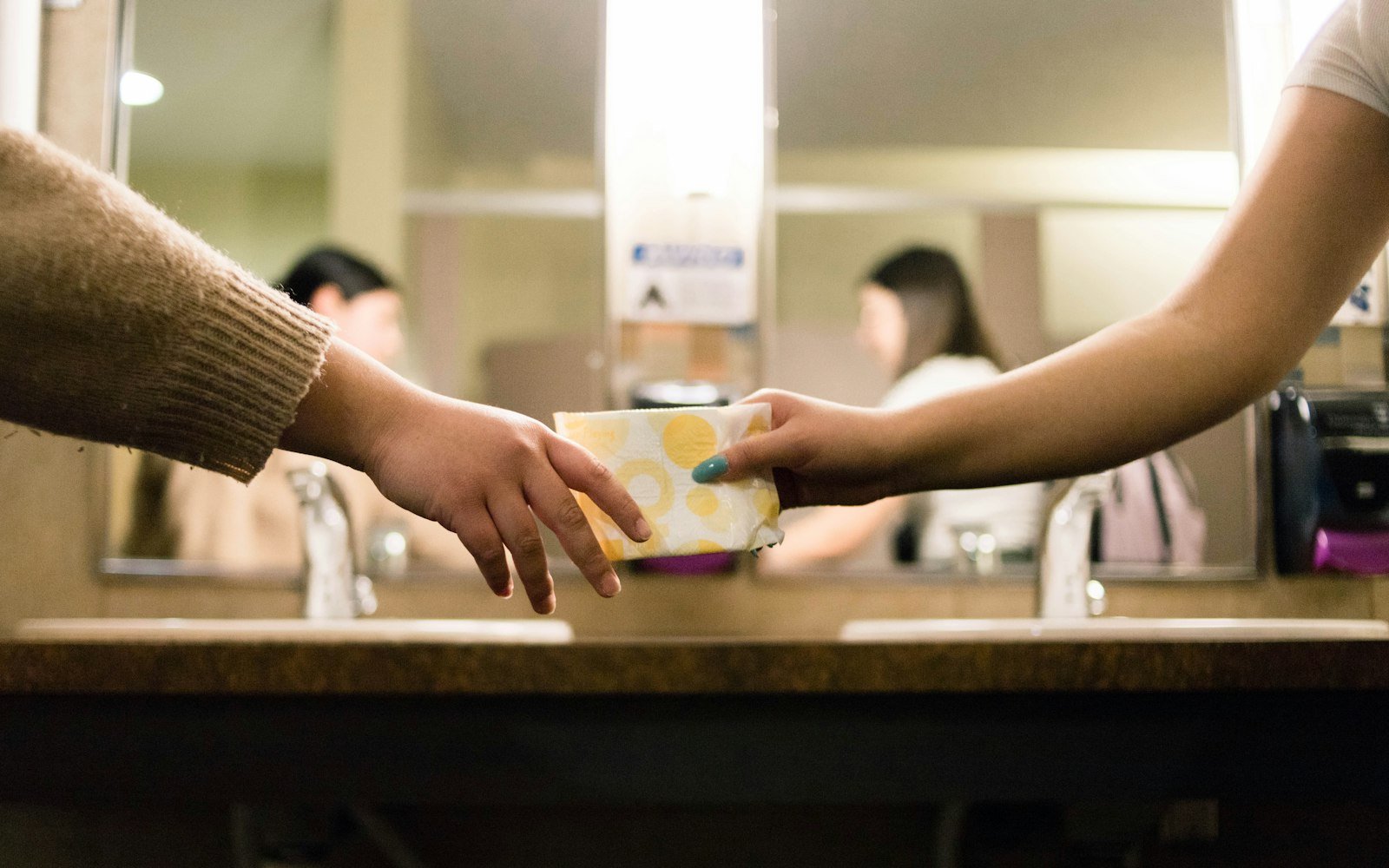
A first period can arrive any time between about age 8 and 16, often at school or away from home. A small, ready-packed kit takes away much of the worry. This guide is written for teens and for the parents helping them, in India, the US or anywhere else.
Talking about it early
The best time to talk about periods is before the first one arrives. Keep the conversation calm, simple and matter-of-fact. Explain that periods are a normal, healthy part of growing up, what to expect and what to do if it starts at school. Many parents find it easier to talk while doing something together, such as packing the kit.
What to put in a period kit
A small zip pouch is enough. Inside, pack:
- Two or three pads in a regular absorbency, plus one overnight pad.
- A spare pair of underwear in a small bag.
- A few wipes or tissues.
- A small disposal bag for used pads.
- A heat patch for cramps, if your child is 12 or older.
- A short note with simple instructions, if that helps.
Keep the kit in a school bag so it is always there.
Choosing pads for a first period
For most teens, pads are the easiest place to start. Look for:
- A thin, flexible pad made for teens, which fits smaller underwear better.
- Wings, which help the pad stay in place.
- Unscented pads, which are gentler on sensitive skin.
Change a pad every 4 to 6 hours, or sooner if it feels full. Tampons, menstrual cups and period underwear are other options that some teens try later, when they feel ready.
Easing cramps
Mild cramps are common in the first day or two. Things that help:
- Warmth on the lower tummy or back, from a heat patch or a hot water bottle.
- Gentle movement such as walking or stretching.
- Rest, water and regular meals.
- Pain relief, only if a parent or doctor says it is suitable.
Adhesive heat patches stick to underwear and are discreet enough for school. Never put a heat patch directly on the skin or wear one while sleeping.
At school
Remind your child that it is completely normal to ask a teacher, school nurse or trusted friend for help. If a leak happens, tying a sweater around the waist works fine until they can change.
Tracking periods
Periods are often irregular for the first year or two. A simple calendar or app helps track when they come and how long they last. This is also useful information to share with a doctor if needed.
When to see a doctor
See a doctor if:
- Periods have not started by age 15 or 16.
- Bleeding soaks a pad every hour for several hours.
- Pain stops your child from going to school.
- Periods last more than seven days or are very irregular after the first couple of years.
Making it feel normal
The more naturally periods are talked about at home, the more confident teens feel. A ready kit, the right products and an open conversation make a big difference to how a first period is remembered.
VelvetComfort exists for these moments — the in-between times when you choose softness on purpose. Each piece in our curation is chosen with one filter: would we gift this to our most beloved friend?
Common questions
What should be in a first period kit?+
Two or three regular pads, one overnight pad, spare underwear, wipes, a disposal bag and, for ages 12 and up, a heat patch for cramps.
How often should pads be changed?+
Every 4 to 6 hours, or sooner if the pad feels full or uncomfortable.
When should a teen see a doctor about periods?+
If periods have not started by 15 or 16, if bleeding is very heavy, or if pain stops normal activities.
Related stories