How to Wash and Care for Your Bras and Lingerie

A good bra is one of the hardest-working things you own. You wear it for twelve hours or more, it holds its shape through heat, sweat and movement, and you expect it to look the same after months of use. The way you wash, dry and store it decides whether it lasts six months or two years.
The good news is that lingerie care is not complicated. It needs a few minutes of attention and some habits that quickly become automatic. This guide walks through each step, with notes for the hot and humid weather most of India has for much of the year.
Why lingerie needs gentler care
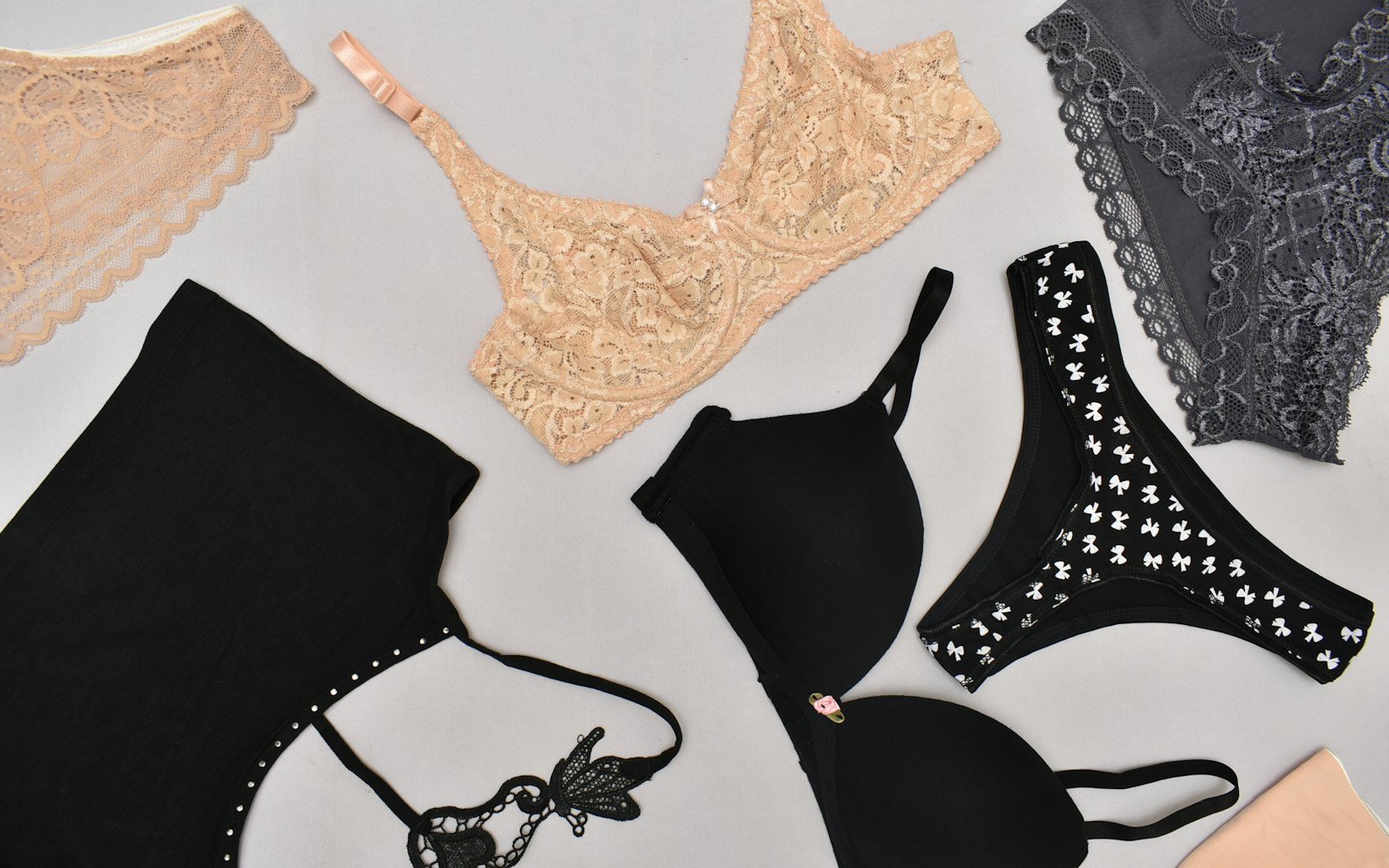
Most bras are made from a mix of fabrics. The cups may be foam or lined cotton, the band contains elastic, and the trims are often lace or mesh. Elastic is the part that wears out first. Heat, strong detergent and rough tumbling all break down the stretch fibres, and once the band loosens, the bra stops giving support even if the cups still look fine.
Lace and satin are delicate in a different way. They snag on hooks and zips, and satin can lose its sheen if it is scrubbed or wrung. Treating every piece gently protects all of these materials at once.
How often to wash
There is no single rule, but these intervals work for most people:
- Everyday bras: after two or three wears, and after every wear in hot, sweaty weather.
- Sports bras and activewear: after every workout, because sweat and bacteria build up quickly.
- Panties and thongs: after every wear.
- Nightwear and slips: after two or three nights.
Rotating between at least three everyday bras helps a lot. Elastic recovers its shape when it rests for a day, so a bra worn on alternate days lasts noticeably longer than one worn daily.
Hand washing, step by step
Hand washing is the kindest option and takes about ten minutes for a small load.
- Fill a bucket or basin with cool or lukewarm water. Avoid hot water, which weakens elastic.
- Add a small amount of mild liquid detergent or a gentle wash meant for delicates. A teaspoon is usually enough.
- Fasten the hooks so they do not catch on lace, then submerge the bras and let them soak for 10 to 15 minutes.
- Gently press the fabric with your fingers, paying a little extra attention to the band and the underarm area where sweat collects. Do not scrub or twist.
- Rinse in clean cool water until no soap remains. Leftover detergent can irritate skin and stiffen fabric.
- Press out water by squeezing gently or rolling the bra in a clean towel. Never wring it, especially if it has moulded cups.
Using a washing machine safely
If you prefer a machine, you can still protect your lingerie:
- Fasten all hooks and place each bra in a mesh laundry bag.
- Choose the delicate or hand-wash cycle with cold water and a low spin speed.
- Wash lingerie with similar light fabrics, never with jeans, towels or anything with zips.
- Skip fabric softener. It coats elastic fibres and reduces their stretch over time.
- Take everything out as soon as the cycle ends so it does not sit creased in the drum.
Moulded foam cups and padded bras keep their shape best when hand washed, so if you have a favourite T-shirt bra, it is worth the extra few minutes.
Drying without damage
Drying is where many bras are ruined. A tumble dryer's heat is the fastest way to destroy elastic and warp underwire, so avoid it completely.
Instead, reshape the cups with your hands and lay the bra flat on a towel or drying rack, or hang it from the centre between the cups. Do not hang a wet bra by its straps, because the weight of the water stretches them. Dry in shade with good airflow. Strong direct sunlight fades colours and weakens fibres, and lace is especially sensitive to it.
During the monsoon, drying can take longer. A fan, a well-ventilated room or a covered balcony helps. Make sure lingerie is completely dry before you put it away, because damp fabric in a closed drawer can develop a musty smell or mildew.
Caring for lace, satin and nightwear
Lace sets and satin nightwear deserve the same gentle routine, with a few extras:
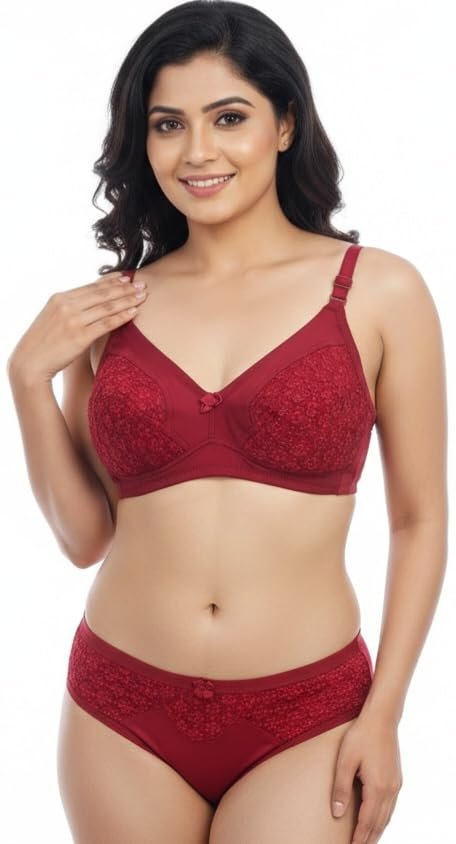
- Wash lace pieces separately or in their own mesh bag so the pattern does not snag.
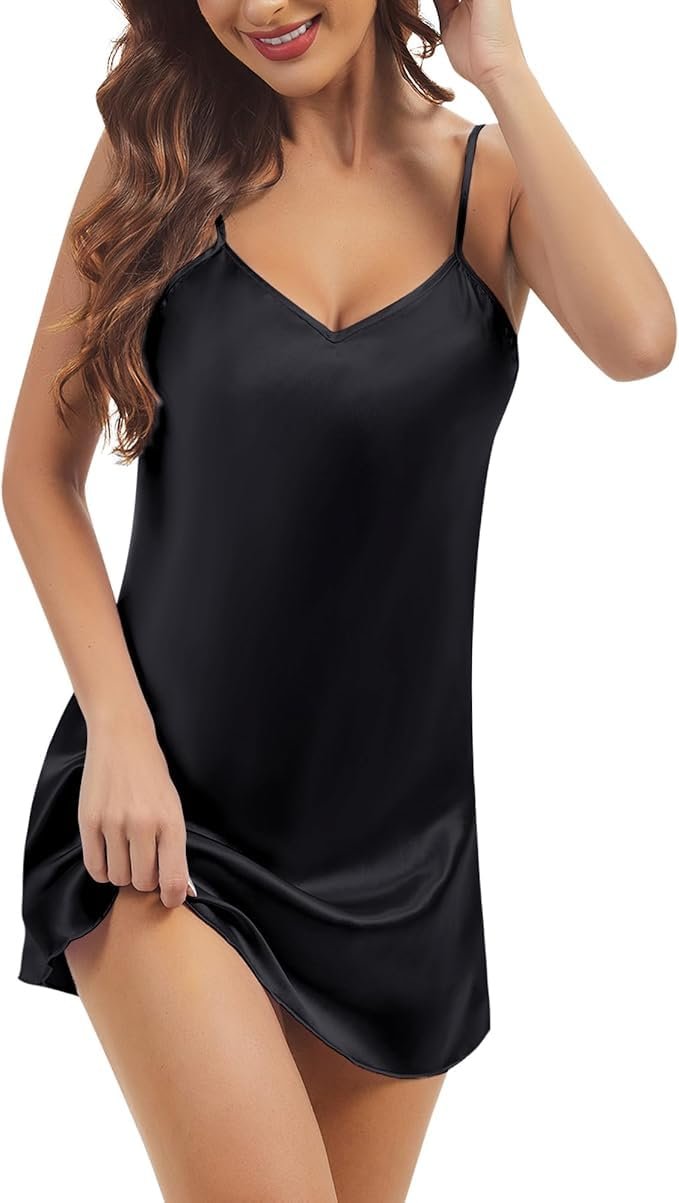
- Turn satin inside out before washing to protect the shiny side.
- Satin creases easily. Smooth it while it is still damp and hang it on a padded hanger. If you need to iron it, use the lowest setting on the reverse side, or press it through a thin cotton cloth.
Storing bras so they keep their shape
How you store bras matters as much as how you wash them. Folding a moulded bra in half pushes one cup inside out and creates a permanent crease. Instead, stack bras with one cup nested inside the next, or line them up in a drawer. Keep panties and softer items separately so hooks do not catch on them.
Lace and satin pieces can be stored in a fabric pouch or a separate drawer section. A small sachet of dried lavender or neem leaves in the drawer keeps things smelling fresh, which is especially useful in humid months.
When to replace a bra
Even with careful washing, every bra has a working life. With regular rotation, most everyday bras last somewhere between six months and a year. Signs that it is time for a new one include:
- You are fastening it on the tightest hook and the band still rides up.
- The straps no longer hold their adjustment.
- The cups have wrinkled, lost their shape or show creases that do not go away.
- The underwire is poking through or the fabric has thinned.
Your body also changes over time, so it is a good idea to re-check your size every year or after any big change in weight, fitness or health. Our Fit Finder takes two measurements and gives you a starting size in a minute.
A quick care checklist
- Rotate between at least three bras.
- Hand wash in cool water with mild detergent, or use a mesh bag on a delicate cycle.
- Never wring, tumble dry or use fabric softener.
- Dry flat or from the centre, in shade, until completely dry.
- Store cups nested, never folded.
Follow these steps and your favourite pieces will stay comfortable, supportive and pretty for much longer.
VelvetComfort exists for these moments — the in-between times when you choose softness on purpose. Each piece in our curation is chosen with one filter: would we gift this to our most beloved friend?
Common questions
How often should I wash my bra?+
Wash everyday bras after two or three wears, and after every wear in hot, sweaty weather. Sports bras should be washed after every workout.
Can I put bras in the washing machine?+
Yes, if you fasten the hooks, use a mesh laundry bag and choose a cold, delicate cycle with low spin. Padded and moulded bras keep their shape best when hand washed.
Why should I avoid fabric softener on lingerie?+
Fabric softener coats the elastic fibres in bands and straps, which reduces their stretch and makes the bra lose support sooner.
How long does a bra last?+
With rotation and gentle care, most everyday bras last between six months and a year. Replace a bra when the band rides up on the tightest hook or the cups lose their shape.
Featured in this story

Related stories